You’ll hire a lot of vendors for your wedding, but your photographer is different. They’re with you from the quiet nervous morning through the last dance, closer to the emotion than almost anyone else in the room. And when it’s all over, the photos are one of the only things you get to keep.
That’s a lot to hand to someone. This guide walks through how to choose a wedding photographer with confidence — from matching their style to your taste, to the practical checks that separate a true professional from a risky booking, to the exact questions worth asking before you sign.
Before comparing prices, get clear on the kind of photos you love. Most wedding photography falls into a few broad styles:
Plenty of photographers blend these. What matters is knowing which one makes you feel something when you look at it, because that’s the experience you’ll live on the day. A heavily posed style means more standing-and-adjusting; a documentary approach means more just-being-there.
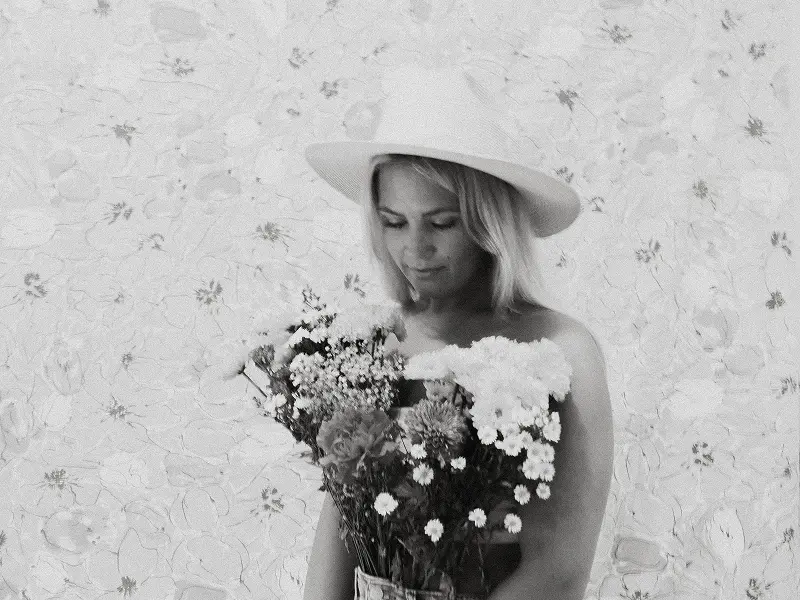
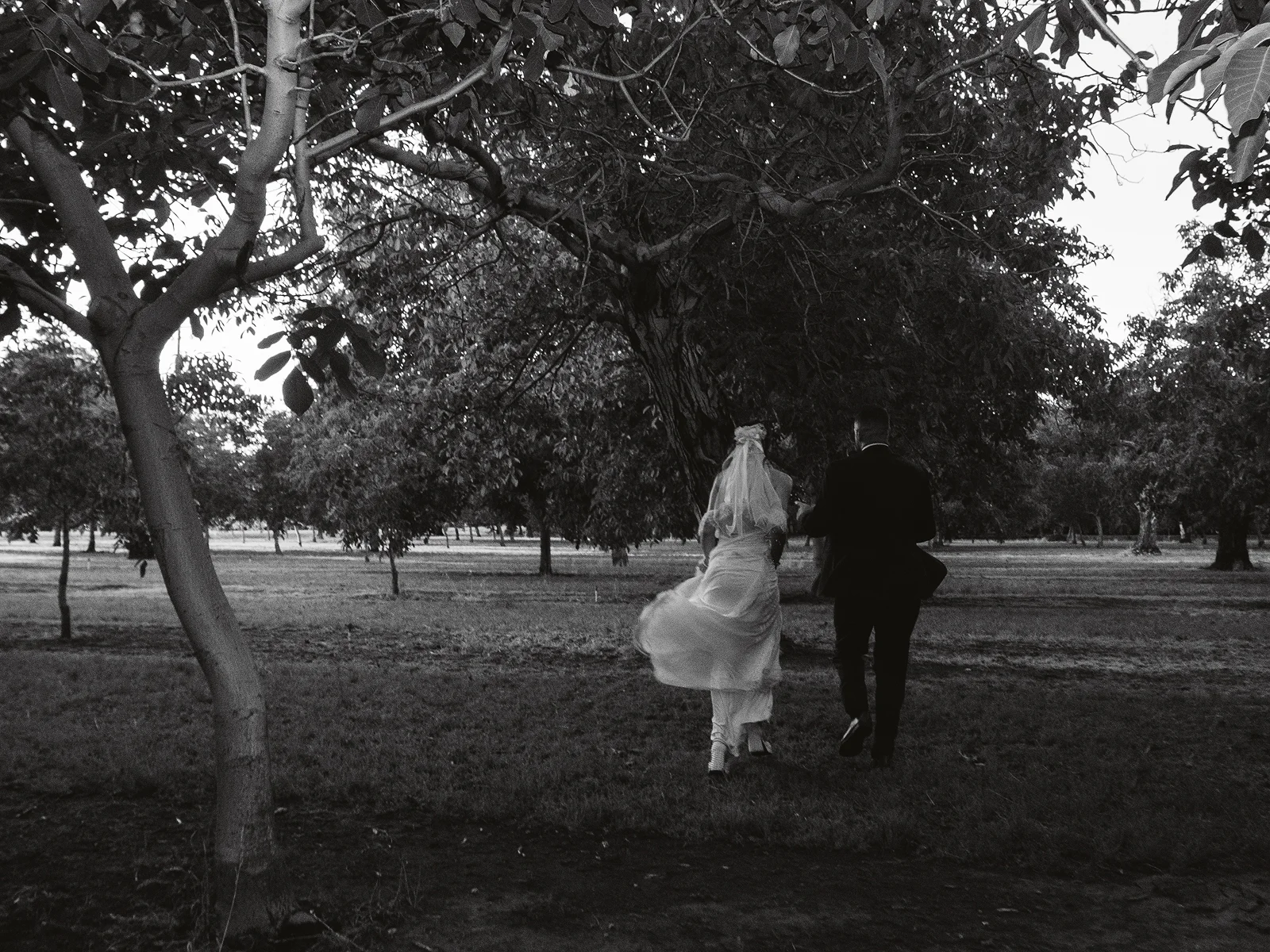
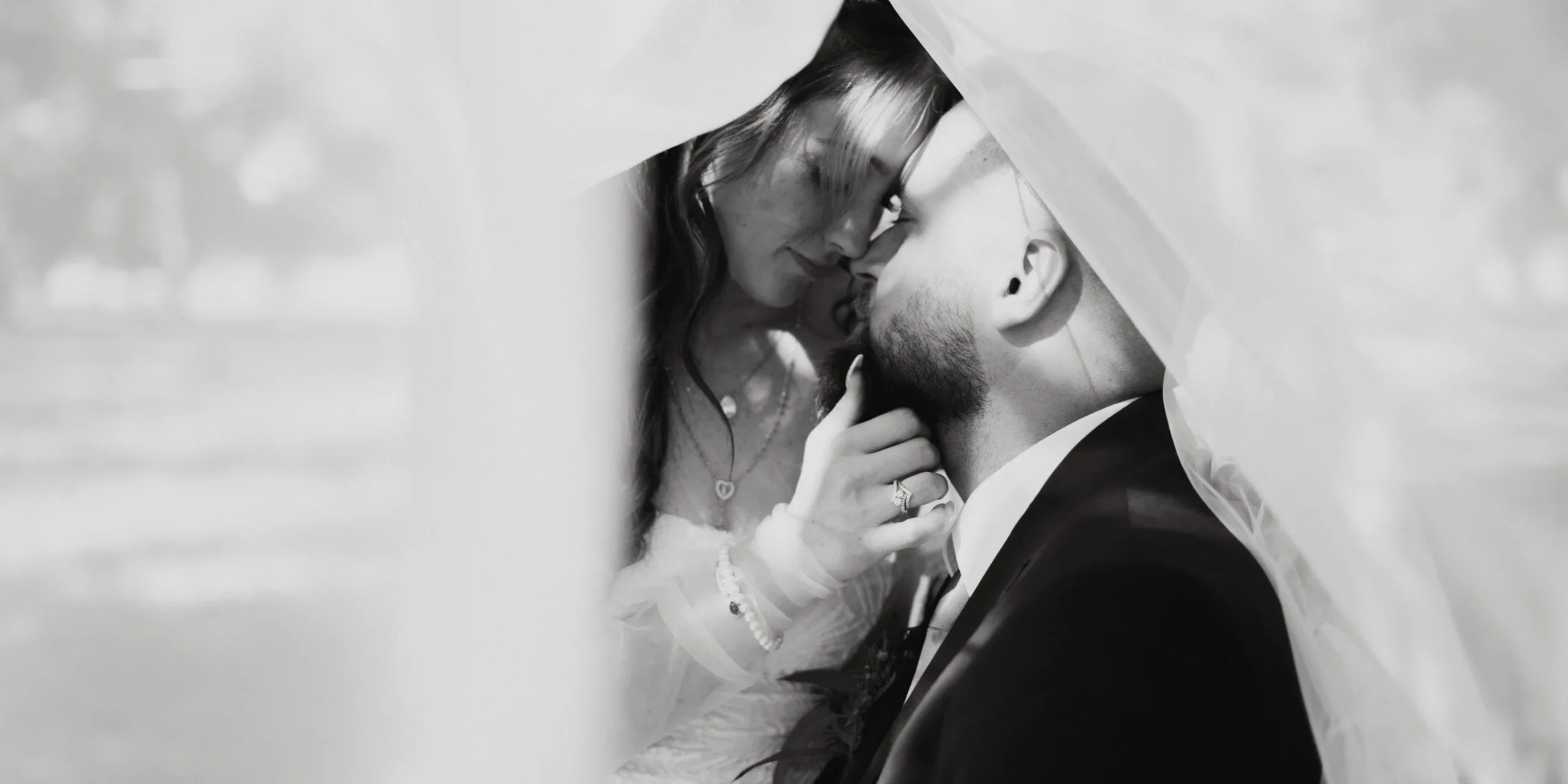
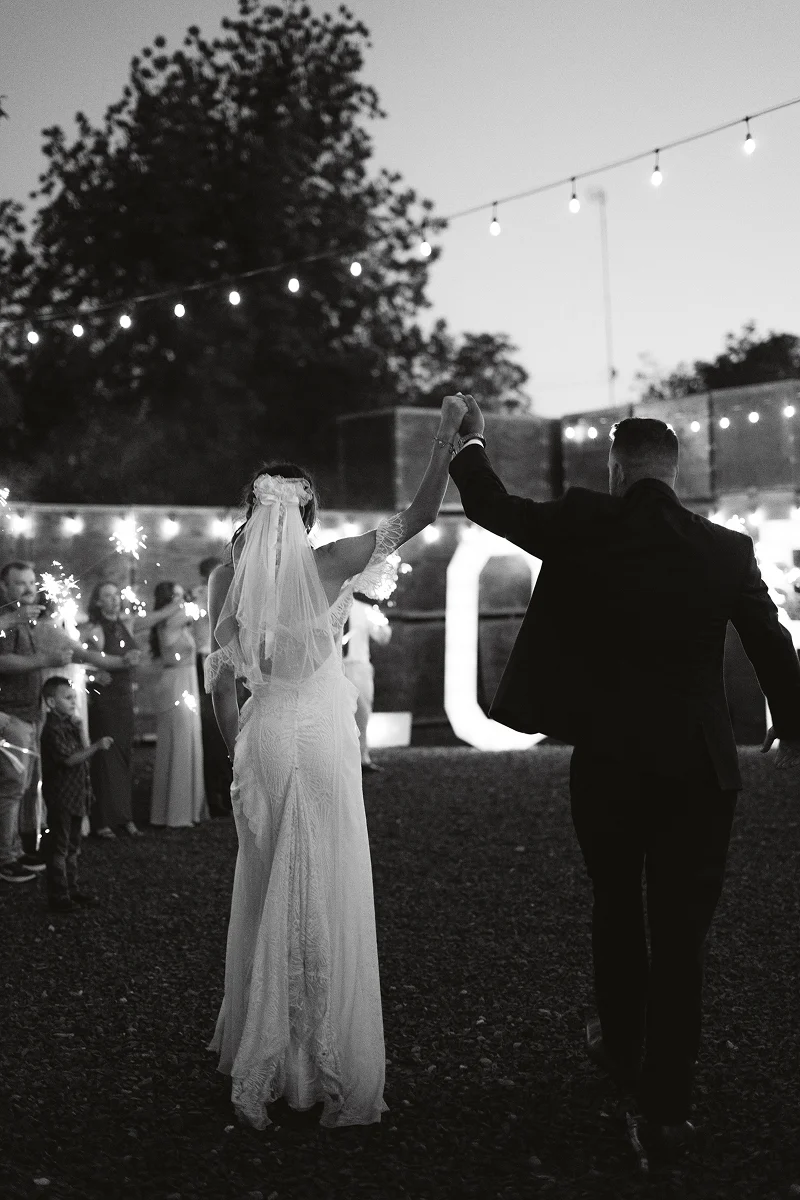
Our own approach at Dreamscape is documentary and unposed. Our biggest goal is that you don’t have to think about your photos on your wedding day — that’s your time — so we capture the day naturally and step in with gentle direction only when it genuinely helps. It’s candid without ever being awkward. If you want to go deeper on styles and what each feels like, our wedding photography style guide breaks it down.
Here’s the single most useful thing you can do: ask to see complete galleries from real weddings, start to finish — not just the curated best-of on the homepage.
Anyone can assemble a stunning highlight reel from years of work. A full gallery tells the truth. It shows you whether the photographer can deliver consistently across an entire day: the dim church ceremony, the harsh midday portraits, the chaotic dance floor, the tender in-between moments. That consistency is exactly what you’re paying for, because your wedding will have all of those conditions, not just the golden-hour ones.
When you look at a full gallery, watch for:
You will spend more time with your photographer on your wedding day than with almost anyone except your partner. If they make you tense, it will show in your face in every frame.
So treat the initial conversation as a real part of the decision. Do they listen? Do they make you feel at ease? Does their energy calm you down or wind you up? A photographer you genuinely click with will help you relax, and relaxed people photograph beautifully.
This is one reason we love offering an engagement session — it’s a low-pressure trial run where you get comfortable with us and we learn how you two naturally interact, long before the wedding-day nerves arrive. It’s available with our collections and often included.
The romantic stuff matters, but so does the boring, essential infrastructure. Ask about:
A professional shoots with backup camera bodies, extra lenses, and cameras that record to two memory cards simultaneously, so a single failure never costs you your photos. Ask directly: What happens if a camera or card fails during my wedding? You want to hear a clear, practiced answer. (We build in full backup gear and redundancy for exactly this reason.)
Many venues require your photographer to carry liability insurance and won’t let them work without proof of it. A pro will have this ready without hesitation. We carry insurance that meets venue requirements as a matter of course.
Never book on a handshake. A proper contract spells out coverage hours, deliverables, timelines, payment terms, cancellation and rescheduling policies, and what happens in an emergency. It protects both of you.
Two quotes at the same price can deliver wildly different value. Nail down the specifics:
Ask when you’ll actually receive your photos. Turnaround varies from a few weeks to a few months depending on the season and the photographer’s workflow. There’s no single “right” number, but you want a clear, honest answer up front rather than a vague “eventually.” A pro will tell you their typical timeline and stick to it.
Look beyond the star rating. The most useful reviews mention the things that are hard to fake: reliability, communication, how the photographer handled a problem, whether the final gallery matched expectations, and what they were like to be around all day. A pattern of couples praising calm and professionalism under pressure tells you more than any single glowing line.
Bring these to your consultation:
If a photographer answers these openly and without defensiveness, that’s a very good sign.
What’s the most important factor in choosing a wedding photographer? Two things tie for first: whether their style genuinely matches your taste, and whether they can deliver it consistently across a full wedding. Review complete galleries — not just highlights — to confirm both.
What questions should I ask a wedding photographer before booking? Ask to see full galleries, and ask about their style, backup gear, liability insurance, how many images you keep, second-shooter options, delivery timeline, and contract terms. Openness to these questions is itself a green flag.
Why does reviewing a full gallery matter so much? A highlight reel shows a photographer’s best few frames from years of work. A full gallery reveals whether they can handle every part of a real day — dim ceremonies, harsh light, fast timelines — with consistent quality.
Do I need a second shooter? Not always, but it helps for larger weddings, multiple getting-ready locations, or when you want two simultaneous angles of key moments like the ceremony. It’s optional with our collections.
How does personality factor into the decision? Heavily. You’ll spend most of your day near your photographer, and feeling relaxed with them shows in every photo. An engagement session is a great low-pressure way to test the fit.
Should the photographer have insurance and a contract? Yes to both. Many venues require liability insurance, and a written contract protects you on hours, deliverables, timelines, and what happens if something goes wrong.
Choosing the right wedding photographer comes down to trusting who you’ll spend the day with and knowing they’ll deliver. If our documentary, low-pressure approach sounds like your kind of thing, reach out for a no-pressure consultation. We’ll check your date, get to know your plans, and send a custom quote — no obligation.
To keep exploring, visit our St. Louis wedding photographer guide, see what’s inside our packages, or read our honest breakdown of wedding photography costs in St. Louis.