When couples start looking for a photographer, they quickly run into a wall of vocabulary — documentary, editorial, fine-art, light and airy, dark and moody. It can feel like everyone’s speaking a slightly different language. The truth is that most of these terms describe two separate things: how a photographer works during the day, and how they edit the images afterward. Once you can tell those apart, choosing becomes much easier.
This wedding photography style guide breaks down the main styles in plain English, helps you figure out which you’re naturally drawn to, and explains how we at Dreamscape Studios approach the work. Our foundation is documentary — candid, unposed, real — because our biggest goal is that you don’t have to think about your photos on your wedding day. But documentary doesn’t mean skipping the classics, and we’ll get into exactly how that balance works.
Before the individual styles, it helps to understand that every wedding photographer’s look comes from two layers stacked together:
A single photographer might shoot in a documentary way and edit with a light, timeless palette. Another might pose heavily and edit dark and moody. Knowing both layers is the secret to describing what you actually want.
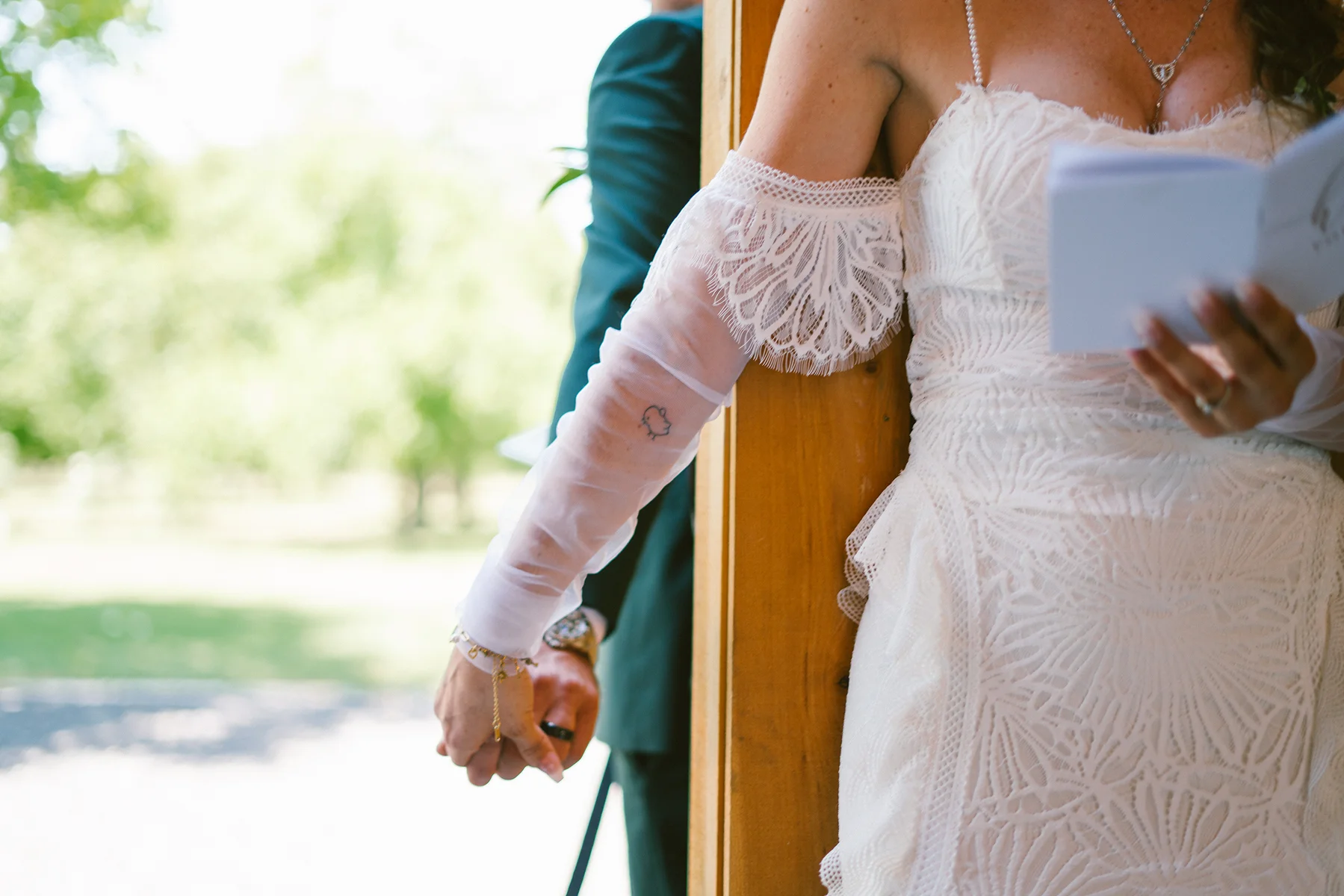
Documentary photography — sometimes called photojournalistic — is about capturing the day as it truly happens. Instead of stopping the action to arrange it, the photographer moves through the celebration and catches real moments: the laugh during a toast, the tear during vows, the chaos of the dance floor. The result is a gallery that feels like your actual day, not a staged version of it.
This is the heart of how we work. When you’re not being constantly posed and repositioned, you relax — and relaxed people look like themselves. That’s your time, and we want you living it, not performing for the camera.
Traditional photography is the classic approach: intentional, directed portraits and a reliable set of formal shots. This is where the timeless family groupings, the posed wedding party lineup, and the composed couple’s portraits come from. Some photographers work almost entirely this way, guiding nearly every frame.
Even the most documentary-minded couples usually want some traditional coverage — and they should. Nobody wants to reach the end of their wedding without a clean portrait of them with their parents or grandparents. The question isn’t documentary or traditional; it’s the right blend.
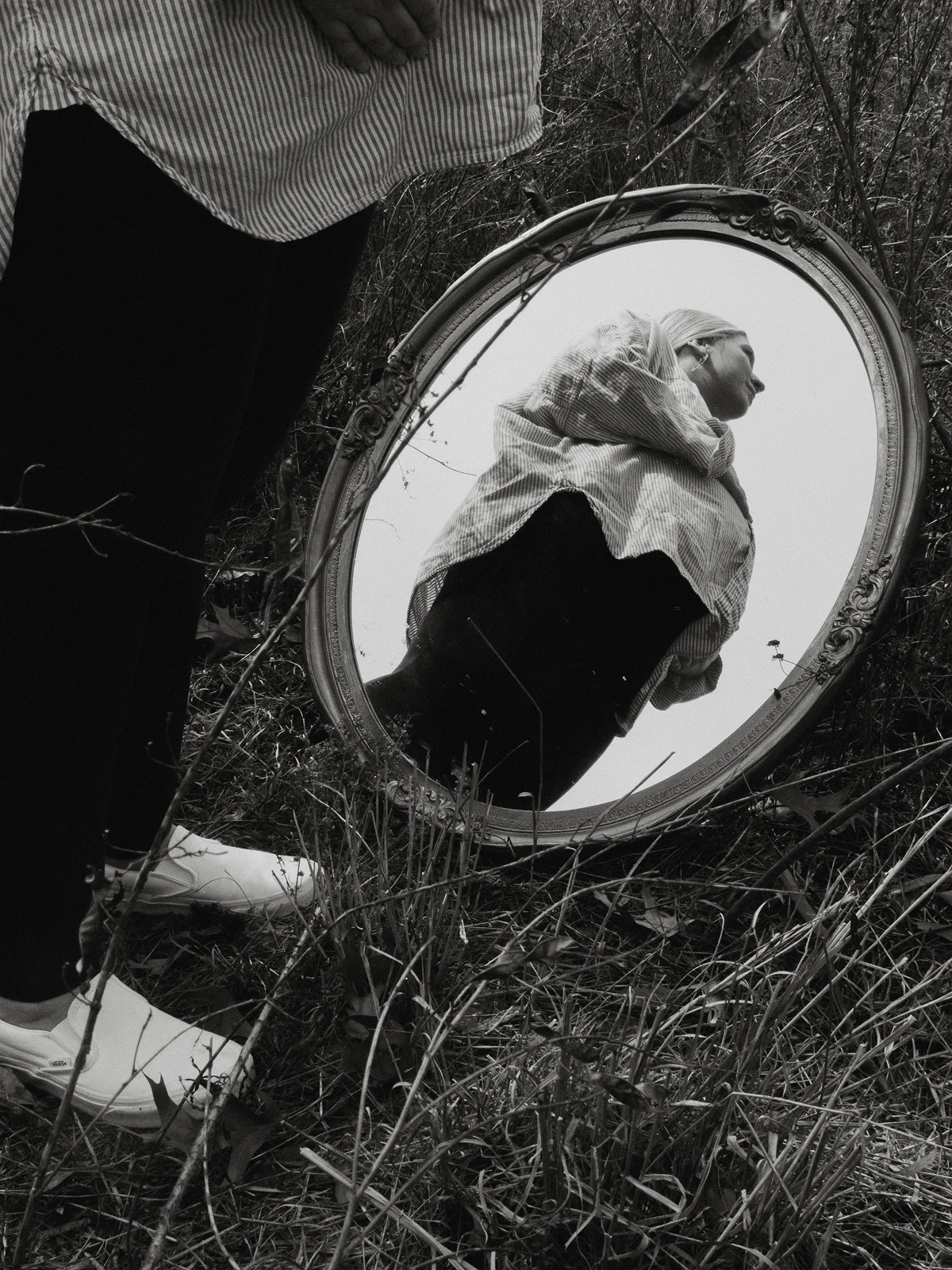
Fine-art or editorial photography borrows from the world of magazines and high-styled shoots. It leans on careful composition, intentional styling, and a polished, elevated aesthetic. Frames often feel deliberately art-directed — think dramatic use of a venue’s architecture or a couple posed like a spread in a bridal magazine. It’s beautiful and aspirational, though by nature it involves more direction and setup than a purely candid approach.
The shooting approach captures the moment; the editing style decides how it feels. Two big camps dominate the conversation.
Light and airy edits are bright, soft, and warm, with a gentle, timeless feel. Blacks are often lifted slightly, colors lean pastel, and the overall mood is fresh and romantic. This look tends to suit outdoor weddings, garden venues, and daytime celebrations full of natural light.
Dark and moody edits go the other direction: richer shadows, deeper contrast, and more saturated, dramatic tones. This look can feel intimate and cinematic, and it often flatters evening receptions, industrial or historic venues, and candlelit spaces.
Neither is better — they’re aesthetic choices. What matters most is consistency and whether the look still feels like you years from now. We aim for a natural, true-to-life edit that holds up over time rather than chasing a trend that may date quickly.
You don’t need to master the terminology to know what you love. A few simple exercises help:
If you’d like a broader framework for evaluating photographers beyond style alone, our guide on how to choose a wedding photographer walks through experience, coverage, and fit.
Our approach is documentary at its core. We believe the best wedding photos come from real, unscripted moments, and that the way to get them is to stay unobtrusive and let your day breathe. When you’re not being managed all day, the images look natural, never awkward or stiff. That’s the whole idea behind our promise that you shouldn’t have to think about your photos — we handle the camera so you can be fully in your own celebration.
But documentary doesn’t mean we abandon the shots every couple wants. We absolutely deliver the classic family and formal portraits — the ones with your parents, your grandparents, your full wedding party. We simply keep that portion efficient and relaxed: a clear plan, gentle direction, and then we’re back to catching the real day. You get the timeless, deliberate portraits and the honest, candid storytelling. It’s the best of both, and it’s how we make sure nothing important is missing from your gallery.
A few things that support the look, whichever way your day leans:
Style doesn’t exist in a vacuum — the best choice complements where and how you’re getting married.
You don’t have to pick one lane and never leave it. Most weddings are a blend, and a good photographer reads the room — and the light — and adapts.
Once you know what you like, sharing it clearly makes all the difference:
What are the main wedding photography styles? The core shooting approaches are documentary/photojournalistic, traditional/posed, and fine-art/editorial. On top of those sit editing styles, most commonly described as light and airy or dark and moody.
What is documentary wedding photography? It’s a candid, unposed approach that captures your day as it genuinely unfolds rather than staging moments. It produces natural, storytelling images and lets you stay present in your celebration.
Does a documentary style mean we won’t get family portraits? Not at all. We lead with a documentary approach but still deliver the classic family and formal portraits couples want — we just keep that part efficient and relaxed so most of the day stays candid.
What’s the difference between light and airy and dark and moody? Those describe editing, not shooting. Light and airy is bright, soft, and timeless; dark and moody is richer, more contrasted, and cinematic. Both can be applied to documentary or posed images.
How do I figure out which style I want? Collect wedding images you love and look for patterns. If you’re drawn to real moments, that’s documentary; if it’s the polish, that’s editorial; if it’s the color and brightness, that’s the edit.
How do I tell my photographer what I want? Share a handful of reference images, name any must-have shots, and describe both the moments and the mood you’re after. A brief consultation is the easiest way to confirm you’re aligned.
The best wedding photography style is the one that still feels like you long after the day is over. For us, that starts with a documentary heart — real moments, unposed and unforced — paired with the timeless portraits every couple deserves.
If you’re getting married in St. Louis or elsewhere in Missouri, we’d love to hear about your vision. Reach out for a no-pressure consultation — we’ll check your date and put together a custom quote. Collections start around $2,800, with most couples investing between roughly $3,000 and $6,000, and payment plans are available. To see how style fits into the bigger picture, visit our main St. Louis wedding photography guide, or start planning the flow of your day with our wedding photography timeline guide.